SF in China
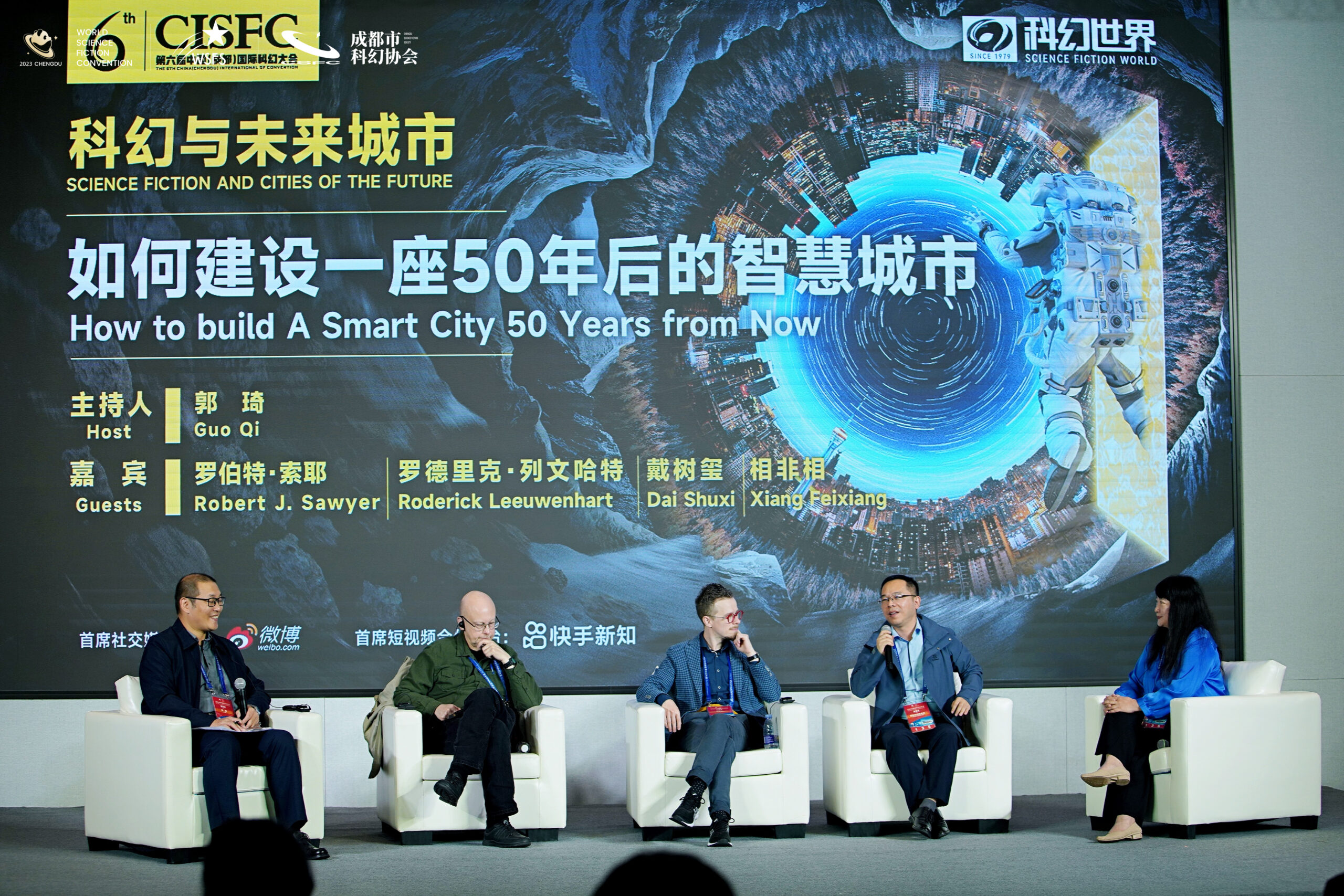
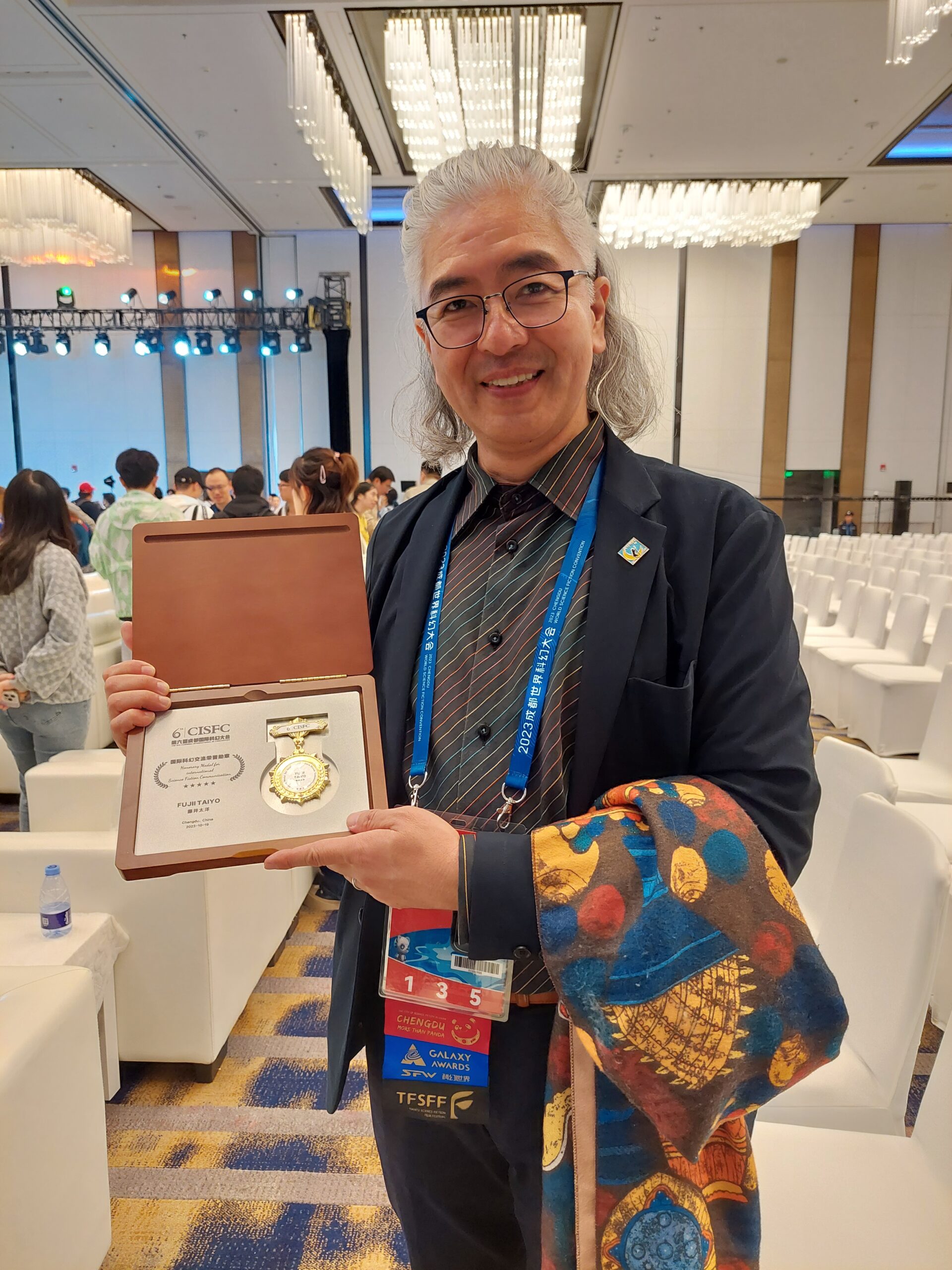
Italian writer and publisher Francesco Verso is known in China as the “Marco Polo of science fiction”, because of the frequency of his travels there in order to arrange publications and strengthen relations. I’m not nearly in his league, but all the same this year I received no less than three invitations to literary events in China. High time to take a look at the country: what’s happening there?
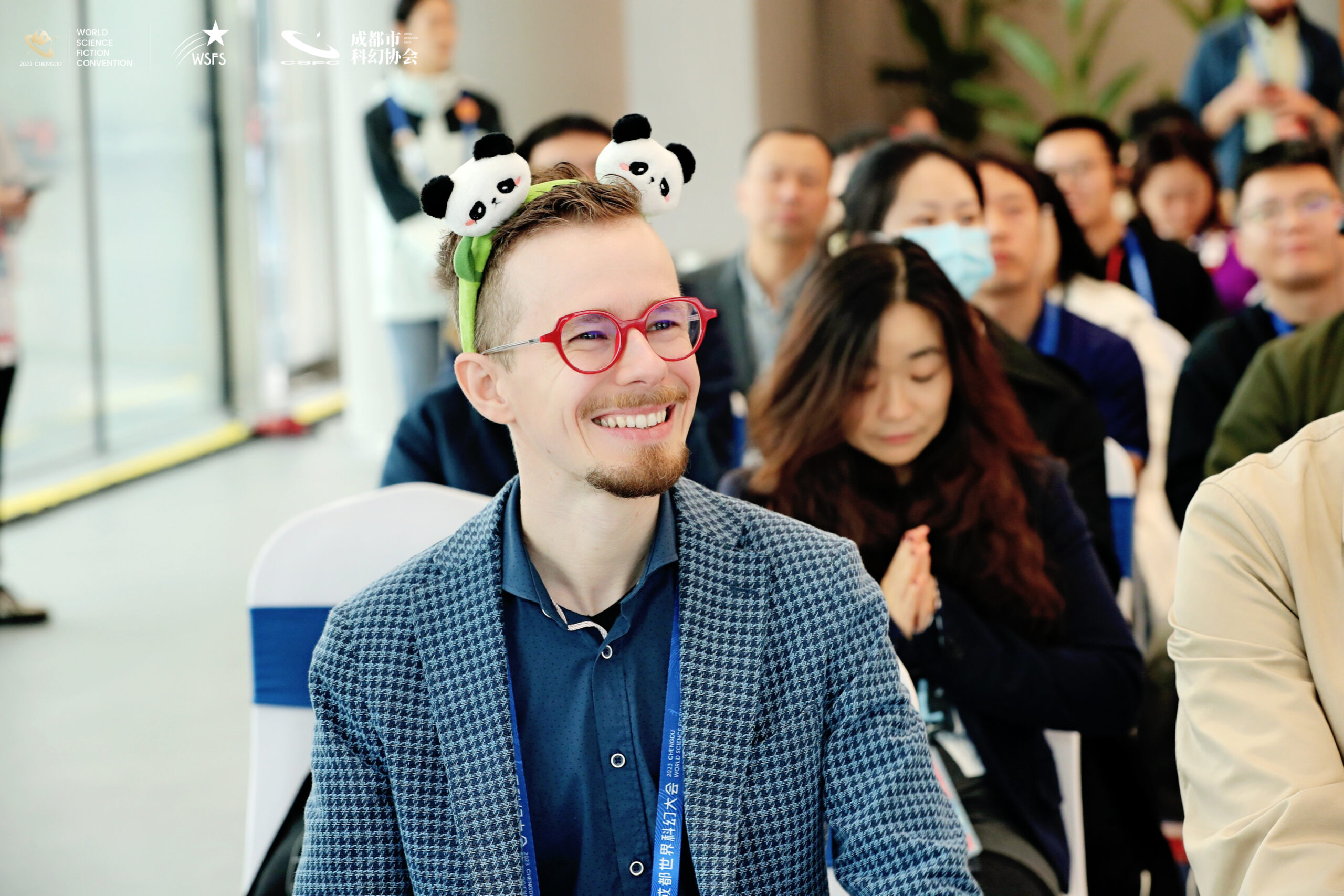
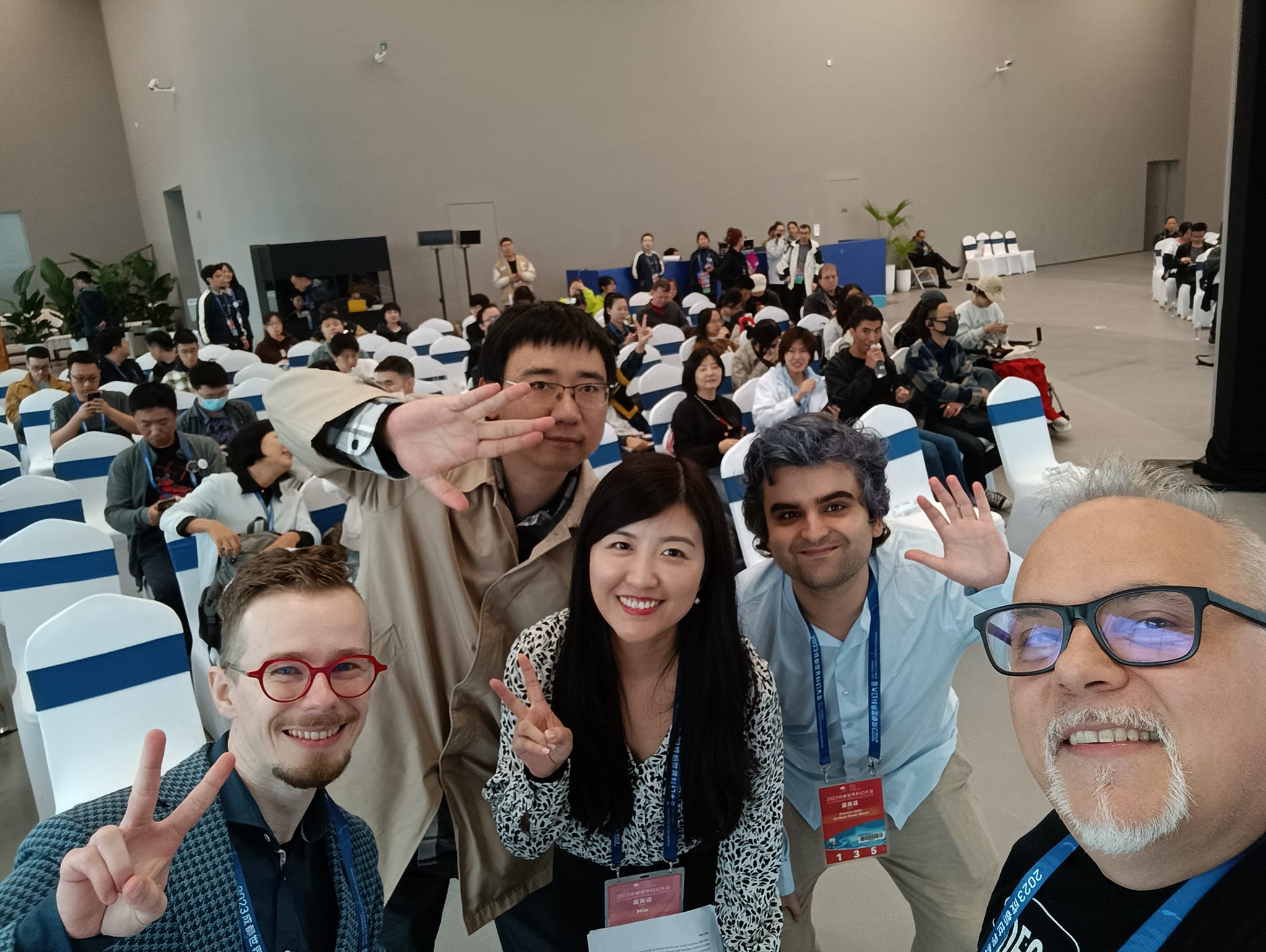
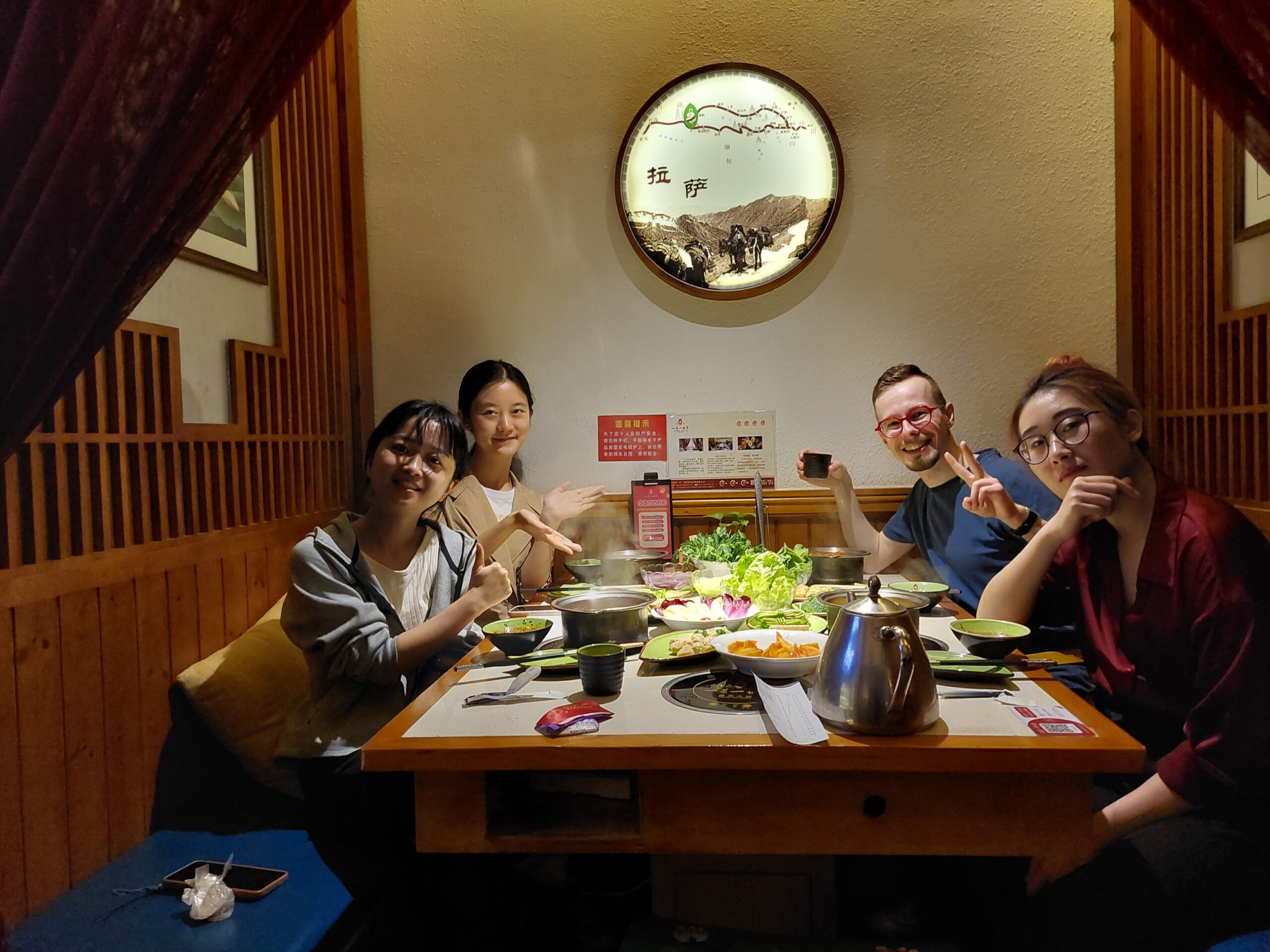
A small disclaimer: my knowledge about these things is necessarily incomplete. As a non-Chinese I have to make do with the information I can find. I’ll also be weaving my personal experiences in China into this story—stay tuned for the Southern China Book Fair, Future Creation Workshop and more!
The Three-Body Problem
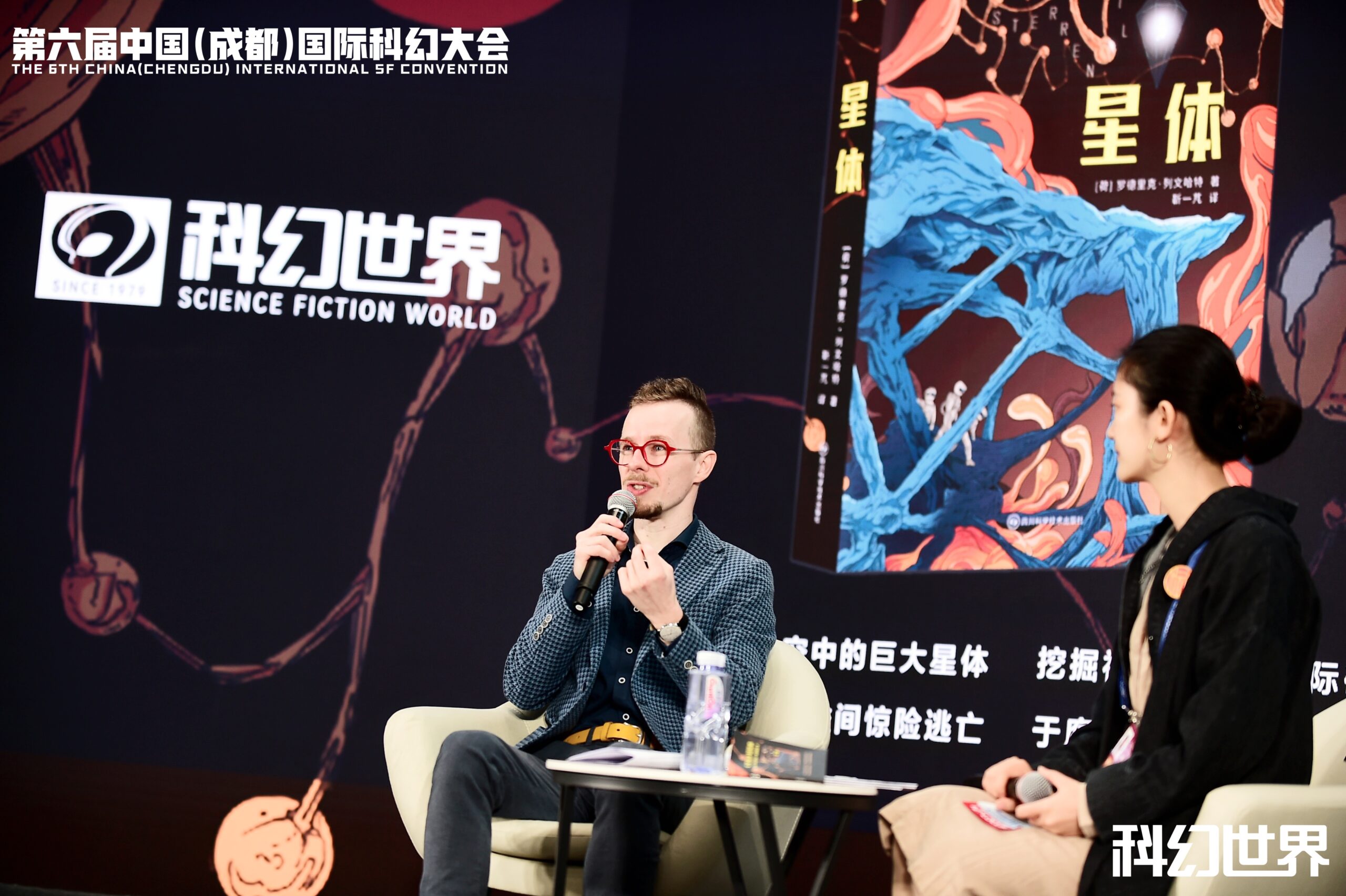
Fact is, science fiction is currently having a real moment in China. The world at large learned of this a little over ten years ago, when Cixin Liu’s epic SF novel “The Three-Body Problem” won the 2015 Hugo Awards, but the series had by that time already been a smash hit nationally. It had been published from 2006 on in the country’s oldest SF periodical, Science Fiction World (科幻世界 kēhuàn shìjiè, founded in Sichuan’s capital Chengdu in 1979), and promptly set fire to everyone’s imagination. After the trilogy’s worldwide breakthrough (an unofficial fourth entry was written by fan writer Baoshu, who used it to launch his own career and inadvertently ensured Liu would never write a “true” sequel of his own), things really got cooking. “3-Body” became a phenomenon that was fired up further with countless luxury publications, an attempted film adaptation, a thirty episode series produced by Tencent and after that an international version on Netflix.
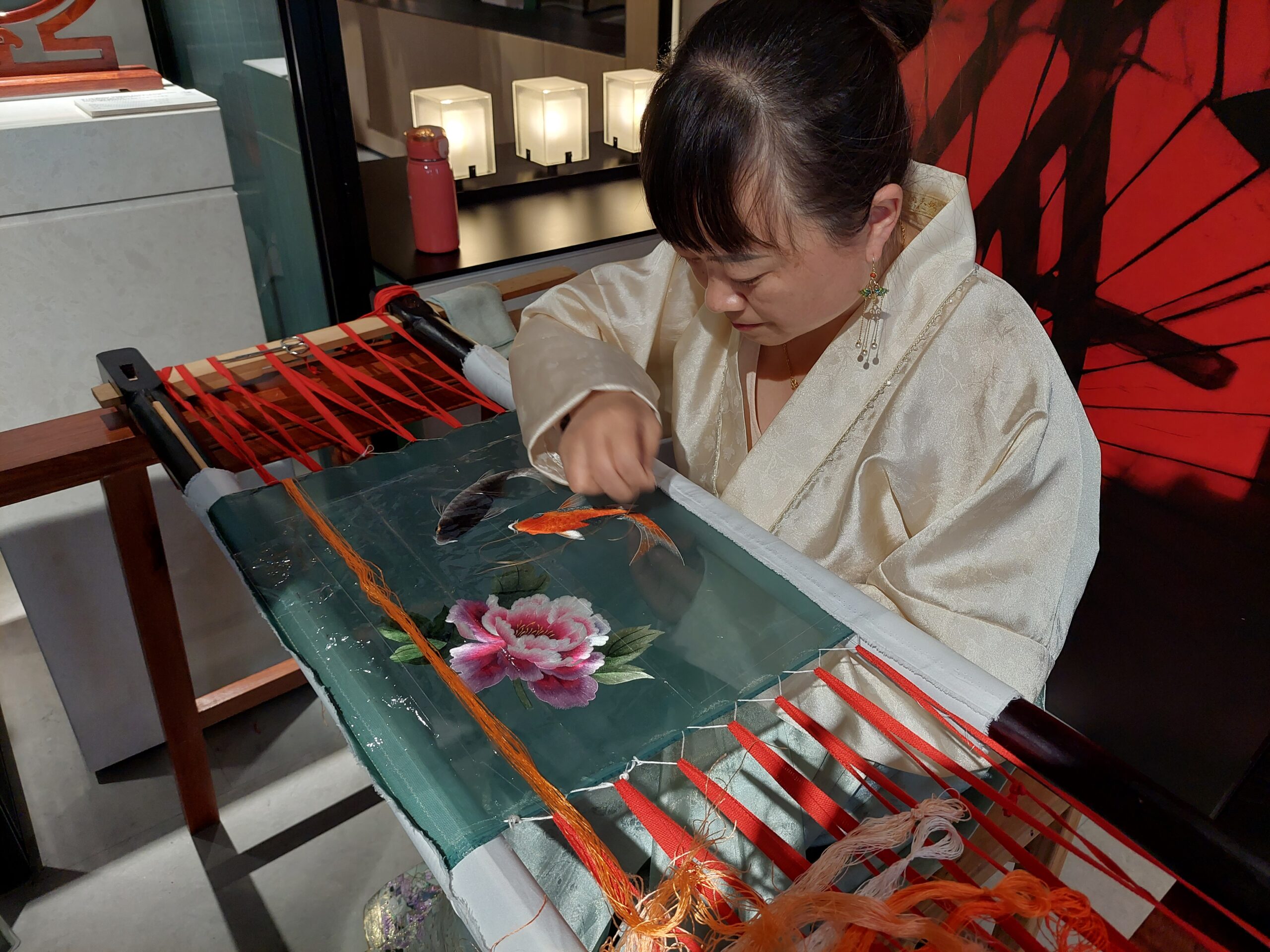
It’s hard to describe how powerful such a dynamic in China can be when all the stars align and both the business world and government choose to back it. Suddenly, science fiction was considered an admirable expression for society at large: scientifically minded, forward-thinking, a way to enthuse young people to work in technology, engineering and research. Abroad, SF turned into a mode of “soft power”, a way to express that the future has a Chinese flavor. Visit Chengdu, Guangzhou or Chongqing and you can hardly deny it. “China’s already living in 2030” is a phrase I heard there.
Talent development
There are at the same time concerns about how long this SF trend will continue. Even at the Worldcon that was held there in 2023, I heard mutterings that the “science fiction industry” is primarily a “3-Body industry” focused almost entirely on Liu’s work. No argument there. For commercial parties, it’s hard to escape the sheer gravity of the name and the increased chances at success when using his work. Yet I also see many initiatives spring up—incubators and contests involving sometimes dizzying amounts of prize money—that are aimed at young talent and discovering new stories.
One of those places is the Fishing Fortress Science Fiction College in Hechuan, a small municipality next to “cyberpunk city” Chongqing. This futuristic offshoot of the College of Mobile Communication was founded in 2019 by language professor and SF enthusiast Fan Zhang and the aforementioned Francesco Verso. It’s housed in a building shaped like a UFO and its staff organizes at least two big events per year: its own SF award and the recently renamed Future Creation Workshop. This last one encompasses a week-long workshop where Chinese and international mentors provide lectures and guidance to a selection of talented young writers. A detailed report, by writers Lavie Tidhar and James Patrick Kelly, of the first workshop was published last year in American Locus Magazine. Kelly will be present as a mentor yet again in 2025, together with authors such as Baoshu, Naomi Kritzer and Roderick Leeuwenhart. What?! Yes, yours truly will be joining in October as well.